Prikazani su postovi s oznakom Imbolc. Prikaži sve postove

1.2.16

Sljemenska gibanica

Sljemenska gibanica je kolač koji izvorno nema nikakve veze s paganizmom, ali se njezini sastojci savršeno uklapaju u imbolsku kuhinju. Svježi sir i vrhnje (koji su inače osnovni sastojci za gibanice) koji daju sočnost ovom kolaču i koji prevladavaju okusom mogu se povezati s prirodnim pojavama u ovo vrijeme, odnosno s laktacijom ovaca. Zbog ovoga su mlijeko i mliječni proizvodi inače vrlo omiljeni sastojci u imbolskoj kuhinji. Ostali dominantni sastojci u kolaču poput badema, ili jabuka su jednostavno prelijepog okusa i pridodaju originalnom, osvježavajućem okusu kolača.


Potrebno je:

  • 50 dag badema (mogu i lješnjaci)
  • 50 dag svježeg kravljeg sira
  • 6 dcl vrhnja za kuhanje
  • 1 pakiranje integralnog tijesta za savijače (9 kora tj. 40 dag)
  • 1 kg jabuka
  • 30 dag šećera
  • 2 jaja
  • suncokretovo ulje

Priprema:

  1. Zapeći bademe 5 minuta na 200°C da porumene i samliti ih.
  2. Zagrijati 1.5 dcl vrhnja i dodati 10 dag šećera. Miješati dok se ne otopi i dodati mljevene lješnjake te miješati dok se ne dobije kompaktna smjesa. Pustiti da se ohladi. Ostatak vrhnja ostaviti sa strane za zalijevanje pojedinih slojeva kolača.
  3. U posudu pomiješati svježi sir, jaja i 10 dag šećera te izraditi mikserom.
  4. Oguliti kore s jabuka, naribati ih i izmiješati s 10 dag šećera.
  5. Nauljiti lim za pečenje (moj je veličine otprilike 35 x 25 cm i oko 7 cm dubine).
  6. Slagati u lim za pečenje sljedećim redoslijedom: 3 kore - vrhnje (1 dcl) - smjesa lješnjaka - 2 kore - vrhnje (1 dcl) - smjesa sira - 2 kore - vrhnje (1 dcl) - smjesa jabuka - 2 kore
Napomena: kod nanošenja smjese lješnjaka, sira i jabuka, pokušajte ih što ravnomjernije rasporediti po korama kako bi presjek kolača bio što ljepši i kako bi se svaki "kat" moglo osjetiti u svakom zagrizu.
  1. Pomiješati preostali 1.5 dcl vrhnja s jednom žlicom ulja i još malo šećera. Preliti kolač.
  2. Peći kolač na 180°C 45-50 minuta.

Sljeme Pastry (Gibanica)

This pastry, named after the highest peak of the mountain Medvednica (Croatia) really has no connection to Paganism, though its ingredients perfectly fit into the Imbolc kitchen. Cottage cheese and cooking cream (which are generally the basic ingredients for the Croatian pastry called gibanica) which make the pastry all the more juicy and the flavor of which dominates can be connected to what's going on in nature at this time, namely the lactation of ewes. This is why milk and dairy products in general are favorite ingredients for the Imbolc kitchen. The other dominant ingredients in this pastry such as almonds and apples simply have a wonderful taste and add to the cake's original and refreshing taste.


You Will Need:

  • 500 g almonds (hazelnuts can work too)
  • 500 g cottage cheese
  • 6 dl cooking cream
  • 1 pack of integral strudel dough (400 g, you get it in the form of thin sheets, I had 9 sheets in the package)
  • 1 kg apples
  • 300 g sugar
  • 2 eggs
  • sunflower oil

How To Prepare:

  1. Bake the almonds in the oven for 5 minutes at 200°C until they let out their nice aroma and only darken a little bet. Grind them.
  2. Heat up 1.5 dl cooking cream and add 100 g sugar. Mix until the sugar is melted and add the ground almonds. Mix until everything is compact. Let it cool down. Leave the rest of the cooking cream aside for later (you will need it to pour over the different pastry layers).
  3. In a bowl, mix together the cottage cheese, eggs and 100 g sugar using an electric mixer.
  4. Peel the apples, grate them and mix with 100 g sugar.
  5. Oil your baking pan (mine is about 35 x 25 cm and about 7 cm deep).
  6. Arrange the layers of the pastry/gibanica in the following order: 3 strudel sheets - cooking cream (1 dl) - almond mixture - 2 strudel sheets - cooking cream (1 dl) - cheese mixture - 2 strudel sheets - cooking cream (1 dl) - apple mixture - 2 strudel sheets
Note: when spreading the almond, cheese and apple mixtures, try to spread them as evenly as possible so that the pastry looks nice when cut and so every layer can be tasted in every bite.
  1. Mix the remaining 1.5 dl cooking cream with 1 tbsp sunflower oil and a bit of sugar. Pour over the pastry.
  2. Bake for 45-50 minutes at 180°C.

30.1.16

Zima kao period (pro)čišćenja

Za nekoliko dana (1./2. veljače tradicionalno, a 4. veljače astronomski) obilježit ćemo Imbolc - sredinu zime. Prije nekoliko dana sam napravila izlet u prirodu i time se počastila danom odmora usred vrlo aktivnog perioda svog života. Izlet mi je samo potvrdio opće stanje u kojem mi se čini da se ne nalazim samo ja, već i mnoštvo ljudi oko mene. To je stanje zimskog sna, ili bolje rečeno zimske pasivnosti.

Promatrajući prirodu, to se stanje vrlo lako primijeti u suhom tlu, golim hranama drveća, magli koja se pruža iznad rijeka i u našem vidljivom dahu u zraku. Zima je sama po sebi pasivan period kada i ljudi i životinje osjećaju potrebu za snom i kada prevladava svojevrsna letargija. Ali to je sasvim prirodno. Ali Imbolc nas podsjeća da se moramo pomalo početi buditi, motivirati se da izađemo iz kreveta (bio on stvaran, ili metaforički) i pokrenuti.

Usred te hladne prirode u kojoj smo se nalazili gdje smo vidjeli svugdje samo gole, otpale grane, ispucano tlo, maglu, mirisali vlagu i mahovinu i čuli samo tišinu, pojavio se jedan mali crvendać - ta prekrasna, preslatka mala ptica koja nam je nagovijestila proljeće. Zaista, jedan od simbola Imbolca jest crvendać koji u ovo vrijeme kada se počinje topiti snijeg (makar ga u mom podneblju baš i nema) prestaje jesti bobice i počinje tragati za kukcima skrivenima u tlu. Unio nam je tračak boje u zimsko sivilo. U ovom smislu se crvendać ubraja u mnoštvo nagovjestitelja proljeća.

Zanimljivo je da sam išla u prirodu s ciljem otpuštanja određenih emocija, odnosno odbacivanja suvišnog i prizivanja novog. Međutim, tada sam bila u potpunosti smetnula s uma da je i to jedna od praksi za Imbolc. Odnosno, ključna riječ za Imbolc je pročišćenje. Potrebno je pročistiti sebe, svoju okolinu, pa ponekad i fizički je očistiti kako bismo se lišili bespotrebnog tereta u životu i bili spremni za aktivni dio godine koji slijedi. Često ne idemo za tim koliko se toga može nagomilati u nama i oko nas; koliko nas sve to guši i sputava u životu. Ponekad su uzrok ovoga ljudi koji sišu našu energiju, koji nas umaraju. Ponekad su to problemi koji su jednostavno tu, našom zaslugom ili ne. Ponekad su to emocije koje nas sprječavaju u daljnjem duhovnom i mentalnom rastu. Imbolc (odnosno period oko njega), pa i sam imbolski ritual služi upravo za odbacivanje svega onoga što nas uništava i guši.

Sve ovo se radi s ciljem pročišćenja i spremanja za idući period koji će početi s Ostarom u ožujku. Iz poljoprivrednog aspekta, već se za Imbolc siju neke sjemenke (zbog čega ih se redovito blagoslivlja u sklopu rituala), makar s Ostarom, s pravim početkom proljeća, kreće sjetva u punom smislu riječi. Iz duhovnog/emocionalnog aspekta, za Imbolc se treba pripremiti teren za "sijanje" novih ideja. To podrazumijeva čišćenje ovog terena, "rahljenje emocionalne zemlje" i njegovanje sjemenki (ideja, određenih karakteristike, individualne osobnosti, emocija, samopouzdanja itd.). Nije dovoljno samo posaditi sjemenku da ona počne rasti. Prije toga su potrebne brojne pripreme koje uključuju pružanje ljubavi toj sjemenki i njegovanje tla u koje će ju se posijati. Vjerujem da možete dalje sami primijeniti ovu metaforu. Svakako, jedan od običaja za Imbolc je pretproljetno čišćenje (koje se najčešće obavlja dan prije Imbolca, tj. 31. siječnja ove godine), kako doma, tako i osobnog identiteta.


Čišćenje samo po sebi otvara prostor za novine, a time i za blagostanje i plodnost. Voljela bih vas potaknuti da za ovaj Imbolc počastite sebe i olakšate sebi životne terete. Napravite jedno "dubinsko čišćenje" - očistite vaš automobil i dom temeljito, operite podove, usišite tepihe, protresite ih i prozračite vani, nemojte zaboraviti usisati i obrisati prašinu u onim skrivenim kutovima koje inače preskaćete. Pregledajte ormare, ladice, police, frižider, vidite treba li se što baciti (hrana kojoj je istekao rok trajanja, poderana odjeća, iznošene cipele, gomile papire, starih časopisa, suvišnih predmeta koji nikada ne koristite itd.). Nemojte se ustručavati. Svi imamo tendenciju ostavljati stvari sa strane jer "tko zna kad će mi zatrebati". Ako ne zadržavamo nešto jer će nam zaista trebati, onda to radimo iz neke druge, nutarnje potrebe. Svatko za sebe jedino može odrediti koji je to prikriveni motiv.

Kada ja krenem čistiti po kući, zaista to radim temeljito - pročešljam svaku policu, svaki kutak prostorije i mahnito bacam sve što mi ne treba. Evo nekoliko načela kojih se obično držim prilikom čišćenja:
  • Napravim četiri hrpe: "prodati", "baciti", "reciklirati", i "pokloniti/donirati" (nekoj specifičnoj osobi, u neku udrugu, knjižnicu, dom, i sl.). Ako predmet ne spada u nijednu od ovih kategorija, to znači da ga mogu zadržati i da mi je potreban/da ga se zaista ne želim riješiti.
  • Ne treba se apsolutno sve baciti. Ponekad ćete htjeti zadržati neku sitnicu jer za vas ima jaku sentimentalnu vrijednost, ali se ne treba pretjerivati. U redu je zadržati nekoliko fotografija, ili jedan-dva predmeta, ali pedeset nikako. Sentimentalnost je jedno, a zaostajanje u prošlosti drugo. Iz istog razloga je dobro bacati stvari ih neuspjelih veza.
  • Bacam (uvjetno rečeno; može ih se pokloniti/prodati itd.) stvari koje nisam koristila duže od godinu dana i za koje ne vidim kada bi ih/kako u sljedećih pola godine mogla koristiti. 
  • Rješavam se stvari koje bude loše uspomene, koje mi zaista nisu drage.
  • U smeće sa stvarima kojima je "istekao rok" - pokvarenu hranu/piće, poderane, razbijene, istrošene predmete koje se ne isplati/ne može popraviti, ili prenamijeniti na neki praktičan način.
  • Bacam nedovršene stvari. Ako ih niste završili u dugom roku i ako ih ne planirate dovršavati, ne trebate se zavaravati (pogotovo ako se nađete u situaciji da govorite: "Joj, zaboravio/la sam na ovo!").
  • Kod čišćenja ormara, bacati ono što se više ne može nositi (jer je preveliko/premalo/iznošeno/pokidano/nemoguće oprati/jer loše stoji itd.). Ako se neke hlače može suziti, nosim ih isti/idući dan na prekrajanje, a ako im nema spasa onda odmah "bacam". Nije potrebno zadržavati stvari koje su nam premale, koje smo prerasli i koje bismo mogli opet u nekoj budućnosti htjeti nositi. Takve stvari nas zadržavaju u prošlosti u kojoj smo bili mršaviji, bili u drugoj životnoj fazi itd. Nepotrebno je vraćati se unatrag. Potrebno je gledati budućnost. Nemojte zaboraviti baciti i iznošeno, staro donje rublje i čarape kojima nedostaje par!
  • Ako im ne vidim svrhu, bacam! Stvari koje sam nekoć dobila/kupila i nikad nisam koristila (ili sam jednom koristila/obukla i s kojima nisam bila zadovoljna) i kojima više jednostavno ne vidim svrhu uvijek bacam. To mogu biti uređaji, knjige, komadi odjeće/obuće, ukrasi itd.
  • Temeljito pregledati papire! Bacam sve stare papire, novine, časopise, nagomilane račune, uplatnice itd. Ovo je užasno zamoran posao jer je potrebno puno toga temeljito pročešljati. Papiri, stare teke, časopisi i slično bez mnogo razmišljanja idu u kantu za reciklažu. Međutim, račune i slične bitnije dokumente je potrebno bolje pregledati. Osobno bacam sve račune za predmete koje više ne mogu vratiti, za predmete kojima je istekla garancija i za one s kojima sam zadovoljna i koje ne planiram reklamirati. Nakon toga bacam sve račune/uplatnice i sl. koji su stariji od godinu dana. Kada sam sve to sortirala na dvije hrpe ("baciti" i "zadržati"), uredno slažem u fascikle, registratore, ili na neki drugi sistem sve one papire koje moram zadržati i razvijam sistem za organizaciju (uglavnom to bude po nekim životnim područjima/obvezama poput "banka", "škola", "posao", "režije" itd. i unutar ovih kategorija organiziram papire prema starosti).
  • Ukrasi, ili nepotreban kič? Uvijek bacam stare ukrase i druge nepraktične predmete koji mi nisu nikakva uspomena i koje sam zadržala "eto, da bih ih zadržala". To su predmeti koji samo skupljaju prašinu, gomilaju se na policama i zagušuju dom.
  • Ne smije se zaboraviti na kupatilo i police s lijekovima! Temeljito uvijek pregledam police u kupatilu i bacam sve lijekove kojima je prošao rok trajanja (što može biti vrlo opasno!).
  • Nagomilana kozmetika je uvijek problem. Pregledam i kozmetiku pa bacam onu koja se više ne može koristiti (jer je ustajala, skamenila se, razvodnila, jer joj je prošao rok trajanja itd.). U kozmetiku ubrajam ne samo šminku poput ruževa za usta, sjenila i slično, već i sve kreme i druge preparate za kožu.
  • Dobro je pregledati i torbu te džepove u jaknama (ili torbe kao što je slučaj kod većine žena). Ispraznite ih, po potrebi čak i usišite i bacajte sve što se nakupilo u njima, a što vam ne treba. Začudili biste se što se sve može naći unutra; od novca do komadića papira, starih maramica, zaboravljene kozmetike...
  • Valja voditi računa o računalu! Smeće se može nakupiti i u virtualnom svijetu. Redovno čišćenje računala je uvijek najbolja opcija (kao što je to i u stvarnom životu), ali je teorija jedno, a praksa drugo. Kad čistim računalo, koristim tri programa: CCleaner, AVG antivirus i Defraggler. Istražite malo te programe pa ćete sami moći najbolje odrediti što će vam koristiti. Također je dobro u ovom periodu izbrisati s računala sve duple dokumente i one koji vam zaista nisu potrebni više i napraviti backup na nekom eksternom tvrdom disku, ili online (primjerice koristeći Google Drive, ili slične aplikacije).
  • Ne smije se zaboraviti na one velike stvari poput čišćenja zavjesa (ovo je dobro napraviti jednom-dvaput godišnje jer dom odmah miriše i izgleda prozračnije), pranje prozora (što je užasno zamoran postao, ali jednako potreban kao i čišćenje zavjesa), čišćenja automobila (možete jednom godišnje izdvojiti novaca za dubinsko čišćenje, usisavanje itd.), pranja jastučnica (da, mislim i na one s jastuka na dvosjedu!) itd.
Sitne izmjene koje također volim napraviti u ovom periodu naprosto jer se mi se dom onda čini čišćim su sljedeće: promijeniti kuhinjsku spužvu, promijeniti posteljinu na svim krevetima, promijeniti četkicu za zube, uredno složiti plastične vrećice (držimo ih sve u jednoj ladici jer nam uvijek dobro dođu), promijeniti filter u usisivaču, baciti sve kemijske olovke/flomastere koji više ne rade (da, trebate jednu po jednu isprobati da biste provjerili), očistiti tipkovnicu od računala (prašina i masnoća se skupljaju između tipki) i popis se može nastaviti u nedogled.

Naravno, ne smijemo na kraju zaboraviti na sebe. Nema ništa ljepše i više opuštajuće od tople kupke/tuša nakon napornog dana čišćenja, zdravog i ukusnog jela i mirnog sna.

Svakako, popis koji sam navela poviše je, realno gledajući, predugačak. Dobro je ovo sve napraviti, ali je naravno i nemoguće u jednom danu. Period pretproljetnog čišćenja može trajati dosta dugo ovisno o tome koliko je toga potrebno očistiti i koliko smo toga spremni očistiti baš u tom trenutku. Zato ovaj proces možete započeti 31. siječnja, a pomalo provoditi sve do Ostare.

Međutim, čišćenje vanjštine je najlakši dio posla. Mnogo duže traje duhovno i emocionalno čišćenje s kojim se može započeti na imbolskom ritualu. Neki će možda već znati čega se žele osloboditi u ovom periodu, a neki će iskoristiti priliku za dobivanje spoznaja o ovome. No, i kada spoznamo čega se točno želimo riješiti, ponekad nije dovoljno znati tu golu činjenicu već i dublje istražiti njezine korijene. Ako je riječ o emocijama, o obrascima ponašanja, ili lošim navikama, odbacivanjem te jedne "činjenice" (emocije/obrasca/navike) ćemo samo ukloniti simptom, ali ne i njegov uzrok. Tada započinje pravi individualni rast i duhovni napredak. 

Voljela bih vas potaknuti ovim postom da radite na sebi, na napretku vlastitog života i osobnosti te objasniti na koje načine se paganski sabati mogu praktično ukomponirati u svakodnevni život. U nadi da ćete primijeniti neke moje savjete, ili ih pak preispitati i kroz to naći neki drugi put koji vama odgovara, pozdravljam vas i šaljem imbolske blagoslove!

Vaša Witch's Cat

Winter as a Time of Clean(s)ing


In a few days (on February 1/2 traditionally, or astronomically on February 4) we will be celebrating Imbolc - the midpoint of winter. A few days ago, I went on an outing and treated myself to a day of relaxation during this very active period of my life. The outing itself just confirmed the general state which seemed to me that not only I, but many people around me were also in. The state I am talking about is that of hibernation, or better put winter passivity.


Watching nature, it is very easy to notice this same state in the dry ground, naked tree branches, the fog stretching out over the rivers and in our visible breath in the air. Winter is in itself a passive period what both humans and animals feel the need to sleep and when a kind of lethargy prevails. But that's completely natural. Although, Imbolc reminds us that we have to slowly awaken, motivate ourselves to get out of bed (be it actual or metaphorical) and get moving.

In the midst of this cold natural world in which we found ourselves where we could see only naked, fallen branches, cracked earth, fog, where the smell of dampness and moss dominated and only silence could be heard, there came to us a small robin - that wonderful, cute little bird that was our first hint of spring. And truly, once of the symbols of Imbolc is the red-breasted robin who, at this time of year when the snow starts to melt (even though there isn't much snow where I live), stops living on berries and starts searching for insects hidden in the soil. He brought to us a ray of flash of color in the middle of the gray winter landscape. In this sense, the robin is one of the many indicators of spring.

It's interesting that I went on this outing with the aim of releasing certain emotions, or rather discarding the redundant and welcoming the new. However, at the time, I had completely forgotten that this is also one of the traditions of Imbolc. That is to say, the lite motif of Imbolc is cleansing. It is necessary to cleanse oneself, one's surroundings and even physically clean up in order to get rid of the unnecessary burdens in life and get ready for the active part of the year that is to come. We often don't take account of how many things accumulate in us and around us; how much all of this suffocates us and fetters us in life. The causes of this can be various. Sometimes it's people who suck out our energy; who tire us out. Sometimes it's problems that are simply there, thanks to us or not. Sometimes it's emotions which prevent us from further spiritual and mental growth. Imbolc (or rather the period around it) and the Imbolc ritual itself are there precisely for this reprobation of everything that is wasting and suffocating us.

All of this is done with the aim of cleansing and getting ready for the oncoming period which begins with Ostara in March. From the agricultural viewpoint, some seeds are already planted at Imbolc (which is why seed blessings are often a part of the Imbolc ritual), albeit the actual sowing season begins at Ostara. For a spiritual/emotional aspect, it is a good idea to prepare the terrain for the "sowing" of new ideas. This means cleaning the terrain, "loosening the emotional earth" and nurturing our seeds (ideas, certain characteristics, individual personalities, emotions, self-confidence etc.). It's not enough to simply plant a seed for it to grow. Many preparations need to be done before hand, such as offering love to the seed and nourishing the earth in which it will be planted. I believe you can further extend this metaphor yourselves. Anyway, one of the traditions of Imbolc is (pre-) spring cleaning of both the home and the individual identity. However, this is usually done on the eve of Imbolc, which falls on January 31 this year.


Cleaning automatically makes room for novelty and therefore also prosperity and fertility. I would like to prompt you to treat yourselves and relieve yourselves of some burdens life brings for this Sabbat. Do some "deep cleaning" - clean your car and home thoroughly, mop your floors, vacuum your rugs, shake and air them out, don't forget to vacuum and dust those hidden corners that you tend to skip usually. Check your closets, shelves, drawers, your fridge and see if there's anything that needs to be thrown away (food that's past its expiration date, ripped clothes, worn out shoes, heaps of papers and old magazines, useless objects that you never use and so on). Don't hesitate. We all have the tendency to leave things aside on the basis of "you never know when this could be useful". If you don't keep something because you will really need it, then you are doing this out of some other, intrinsic need. Nobody other than you yourself can determine what this ulterior motive is.

When I start cleaning around the house, I really am thorough - I go over every shelf, every corner in every room and crazily start throwing away everything I don't need. Here are some principles I usually stick to when cleaning:
  • I form four heaps: "to sell", "to throw out", "for recycling" and "gifts/donations" (to a specific person, or a charity, library, home and so on). If the object at hand doesn't fall into any of these categories, then it means that I can keep it and that I either really need it or that I really don't want to get rid of it.
  • You don't need to throw away absolutely everything. You may want to keep a little trifle because it may be of strong sentimental value to you, but you also shouldn't overdo this. It's OK to keep a few photographs, or one or two trinkets, but not fifty. Sentimentality is one thing, but arrestment in the past is another. It's a good idea to throw away things for past relationships for the same reason.
  • I throw away things (so to speak; you can give them away/sell them etc.) that I haven't used in over a year and can't see myself using in the next six months.
  • I get rid of things that bring back bad memories and which I really don't care for.
  • Throw away things that have "expired" - rotten food/drinks gone bad, torn, broken, worn out things which are not worth fixing/cannot be fixed or reused in a different practical way.
  • Throw away unfinished things. If you started this particular project a long time ago and still haven't finished it and if you don't plan on doing so, you don't need to kid yourself (especially if you find yourself saying: "Wow, I forgot about this!").
  • When cleaning out your closet, throw away everything you can't wear anymore (because it's too big/too small/worn out/torn/uncleanable/looks bad on you etc.). If a pair of pants can be taken in a bit, take them to the seamstress to get fixed the same day, or the next at the latest. If they really can't be saved, then I just "throw them" away immediately. There's no need to keep things that are too small for us, that we have outgrown and that we may want to wear again in some distant future. These things keep us stuck in our past in which we were thinner, going through a phase and so on. There's not need to go back. It's better to look towards the future. Also, don't forget to throw away worn out, old underwear and odd socks.
  • If I don't see a use for it, I throw it out! I always get rid of things that I once got as a present/bought and never used (or used/wore once and weren't satisfied with) and for which I simply don't see a use anymore. They can be appliances, books, clothes/shoes, decorations etc.
  • Thoroughly go through papers! I always throw out old pieces of paper, newspapers, magazines, stacked up receipts, deposit slips and the like. This is an incredibly tiring task because you need to go through so many papers in detail. Papers, old notebooks, magazines and similar things end up in the recycling bin without too many questions being asked. However, receipts and similar more important documents need more detailed examination. I personally throw away receipts for things that I cannot return any longer, for things that are no longer under warranty and for those that I am satisfied with and don't plan on returning. After this, I throw about all the receipts/deposit slips etc. that are more than a year old. Once I have sorted these papers into two piles ("to throw out" and "to keep"), I neatly put away those which I need to keep in files, registrators or using some other filing system. I also develop an organizing system for these papers. Usually, I categorize them by the domain/obligation they are connected to, such as "bank", "school", "business", "bills" etc. and further file them by date.
  • Decorations, or useless kitsch? I like to throw away old decorations and other impractical objects that don't remind me of anything in particular and which I keep "just for the sake of keeping". These objects just end up collecting dust on your shelves and suffocate your home.
  • Don't forget your bathroom and medicine cabinets! I always have a detailed look at the cabinets and shelves in my bathroom and throw away all medicine that is past its expiration date (they really do present a health threat!).
  • Piled up cosmetics are always a problem. This is why I go through my cosmetics and throw away anything that cannot be used any more (because it's just gotten old, too hard, too watered down, past its expiration date etc.). By the way, when I say "cosmetics", I'm not only referring to lipstick, eye shadows etc., but also to creams and any other skin-related products you might have.
  • Check your jacket pockets and bag (or bags as the case may be for most women). Completely empty them out, vacuum them if necessary and throw away everything that has piled up in them and that you don't need anymore. You would be surprised at what you can find there; from money, to stray bits of paper, old tissues, forgotten cosmetics and so on.
  • Take care of your computer! Junk can pile up in the virtual world as well. Regularly cleaning your computer is always the best option (the same applies to real life), but theory is one thing and practice entirely another. When I clean my computer, I use the following programs: CCleaner, AVG antivirus and Defraggler. Research what these programs do; you'll be able to figure out which ones you will find useful. It's also a good idea to delete any duplicate documents or those that you really don't need anymore and make a backup on an external hard drive, or online (for example, using Google Drive or a similar application).
  • You can't forget about the big things such as cleaning your curtains (this is best done once or twice a year because your  home instantly smells and looks more airy), cleaning your windows (which is extremely tiring but equally necessary as cleaning curtains), cleaning your car (you can put aside some extra money for deep cleaning and vacuuming your car once a year), cleaning your pillow cases (yes, I'm talking about the ones on your couch!) and so on.
The small changes that I also like to make in this period simply because they make my home feel more clean are the following: changing the sponge, changing all the bed sheets, throwing away my old tooth brush, neatly folding plastic bags (we keep them all in a drawer because they always come in handy), changing the vacuum filter, throwing away all pens that don't work anymore (yes, this means you have to check them one by one), cleaning the keyboard (dust and grease get between the keys) and the list can go on indefinitely.

Of course, we cannot forget about ourselves at the end of the day. There's nothing better than a relaxing shower/bath after a strenuous day of cleaning, followed by a healthy, tasty meal and a restful night's sleep.

Surely, the above list is realistically much too long. It's good to do all of these things, but it's of course impossible to do it all in one day. The period of (pre-) spring cleaning can last a long time depending on how much needs to be cleaned any how much we ourselves are ready to clean at that particular time. This is why the process can begin on January 31 and can slowly be carried out until Ostara.

However, cleaning the external is the easiest part. Spiritual and emotional cleaning, which can be begun at the Imbolc ritual, takes much longer. Some of us may already know what they want to get rid of, while others may decide to seize the opportunity to gain insight into this. But, even when we become aware of what exactly we want to get rid of, it's sometimes not enough to just know the bare fact. Sometimes we have to go deeper and look into its roots. If we are dealing with emotions, patterns of behavior or bad habits, we may only get rid of the symptom by discarding this one "fact" (emotion/pattern/habit), but perhaps not its cause as well. This is when real individual growth and spiritual development begin.

With this post, I would like to prompt you to work on yourselves, to improve the quality of your lives and personalities and to explain in what ways the Pagan Sabbats can be practically incorporated into everyday life. In hopes that you will apply some of my suggestions, or perhaps question them and in doing so find a different path that will better suit you, I wish you all the best and send you my Imbolc blessings!

Yours truly,
Witch's Cat


11.2.15

Buhtle od ricotte


Kao i većina hrane za Imbolc, i ove buhtle su mliječne i mekane. Pojele su se jako brzo pa ih nisam stigla fotografirati. Zato sam iskoristila fotografiju sa stranice na kojoj sam naišla na ovaj fini recept. Svakako, Imbolc mi je donio jaku želju za kuhanjem (djelomično zato što je tako hladno vanka, a pored pećnice tako toplo). Ako se vi nađete u takvom raspoloženju, savjetujem vam da probate napraviti ove buhtle!

Potrebno je:

  • 125 g otopljenog maslaca
  • 1 čaša smjese od mlijeka i limuna (zamjena za ono što se na engleskom zove buttermilk - kasnije ću napisati kako se radi)
  • 250 g ricotta sira
  • 4 čaše glatkog brašna
  • 4 žlice šećera
  • 2 čajne žličice soli
  • 1-2 vrećice instant kvasca
  • otopljeni maslac za premazivanje
Napomena: Ako pratite recept i radite buhtle promjera cca. 5cm, dobit ćete 80-90 malih buhtlica od ove količine sastojaka.

Priprema:

  1. Pripremite smjesu od mlijeka i limuna tako na 230ml mlijeka dodate jednu žlicu soka od limuna (možete i malo više). Ostavite smjesu da odstoji 5 minuta.
  2. Otopite maslac i kuhačom ga izmiješajte sa smjesom od mlijeka i limuna te dodajte ricotta sir.
  3. Dodajte šećer, sol i kvasac te pomalo dodajite brašno (preporučam da sve miješate kuhačom). Znati ćete da je tijesto dobro spremljeno kada je kompaktno, mekano i kada se odljepljuje do rubova posude.
  4. Prekrijte prozirnom folijom i ostavite da se diže na toplom mjestu otprilike sat vremena (treba se udvostručiti).
  5. Izvadite tijesto na pobrašnjenu podlogu i izvaljajte da bude 1-2cm debljine (uzmite u obzir da će se tijesto dignuti u pečenju dosta). Režite tijesto koristeći okrugli kalup za kekse promjera cca. 5cm.
  6. Slažite buhtle na lim za pečenje kojeg ste prethodno prekrili papirom za pečenje. Prekrijte buhtle krpon i ostavite da se dižu na toplom mjestu još 30-60 minuta.
  7. Pecite na 175°C otprilike 25 minuta (tj. dok buhtle ne postanu rumene s gornje strane).
  8. Dok su još tople, premažite ih otopljenim maslacem.

Ricotta Buns


As with most Imbolc food, these buns are milky and soft. They got eaten way too fast so I didn't get the chance to take a photo of them. So I used a photo from the page on which I found this fine recipe. Anyhow, Imbolc made me feel inspired to bake (partly because it's so cold outside and it's so warm next to the oven). If you find yourself in this mood, I recommend you try out this recipe!

You Will Need:

  • 125g melted butter
  • 1 cup buttermilk (or simply make your own by mixing milk and lemon; I will explain how later)
  • 250g ricotta cheese
  • 4 cups all-purpose flour
  • 2 tablespoons sugar
  • 2 teaspoons salt
  • 1-2 packets instant dry yeast
  • melted butter for brushing over the buns
Note: if you decide to follow the recipe and make rolls about 5cm in diameter, this amount of material will yield about 80-90 small buns.

How To Prepare:

  1. If you don't have any buttermilk you can prepare your own. In order to make buttermilk, get 230ml of milk and add 1 tablespoon of lemon juice to it (a bit more won't hurt). Leave the mixture to sit for about 5 minutes.
  2. Melt 125g of butter and mix it with the buttermilk/milk-lemon mixture using a wooden spoon. Add in the ricotta cheese.
  3. Add the sugar, salt and yeast and slowly add the flour (I recommend you mix it all using a wooden spoon).
  4. Cover the dough with cling film and leave it to rise in a warm place for about an hour (it should double in size).
  5. Put the dough on a lightly floured surface and roll it out to about 1-2cm thickness (take into consideration that it will more than double in size in the oven). Cut the dough using a circular cookie cutter about 5cm in diameter.
  6. Line your baking tray with baking paper and put the dough on the tray. Cover the buns with a dishtowel and leave them to rise in a warm place for another 30-60 minutes.
  7. Bake them at 175°C about 25 minutes (or until the buns turn golden-brown).
  8. While they are still warm, brush them with butter.

Peciva sv. Lucije


Tražila sam recepte koji su prikladni za Imbolc i naišla na ova dražesna malena peciva! Prikladni su jer sadrže dosta mliječnih proizvoda u sebi (a poznato je da je Imbolc vrijeme janjenja i laktacije ovaca pa su ljudi od davnina ovo slavili tako da su pripremali hranu i piće od mlijeka), a dodatak šafrana ih čini baš posebnima.

Na žalost, svi su se pojeli u jako kratkom roku. Kažem "na žalost" jer to znači da ih nisam uspjela fotografirati dok su bili svježi i dok ih je bilo. Stoga je pecivo koje vidite na slici posljednje koje je ostalo (ali sam dodala drugi fotografiju koju sam našla na internetu da vidite kako zapravo lijepo izgledaju iako primjerak na mojoj fotografiji nije baš reprezentativan). No, ovo možete shvatiti kao znak njihove slasnosti. ;)

Kako biste ih napravili,

Potrebno je:

Za tijesto:

  • 2 paketa instant kvasca
  • 1/2 čaše tople vode
  • 1/2 čaše šećera 
  • 125 g otopljenog maslaca
  • 1/2 čaše milerama
  • 1/2 čaše mlijeka
  • 1/4 čajne žličice šafrana
  • 1/2 čajne žličice soli
  • 2 jaja
  • 4 1/2 čaše glatkog brašna

Za glazuru:

  • 1 jaje
  • 2 žlice mlijeka
  • kristal šećer

Priprema:

  1. U zdjelu dodajte vodu i kvasac te lagano izmiješajte viljuškom. Dodajte 1 žlicu šećera i ponovno izmiješajte. Pustite mješavinu da stoji dok se ne počne  pjeniti (cca. 5 minuta).
  2. Dodajte ostatak šećera, maslac, mileram, mlijeko, šafran, sol i jaja te miješajte električnim mikserom.
  3. Dodajite čašu po čašu brašna i miješajte kuhačom dok tijesto ne postane mekano i kompaktno (očekujte da će i dalje biti ljepljivo).
  4. Prekrijte zdjelu s tijestom prozirnom folijom i ostavite u hladnjaku minimalno 2 sata (po mogućnosti i preko noći).
  5. Izvadite tijesto na lagano pobrašnjenu podlogu i kidajte na manje komade (ja sam dobila 32 komada).
  6. Obložite lim za pečenje papirom za pečenje i ugrijte pećnicu na 175°C.
  7. Svaki komad izvaljajte u "konop". Oblikujte peciva tako da krajeve konopa spiralno savijete u suprotne strane. Dobit ćete nešto nalik obrnutom slovu S.
  8. Pripremite glazuru tako da izmiješate jaje i mlijeko.
  9. Premažite peciva glazurom (idealno koristeći kist) i pospite šećerom u prahu.
  10. Ostavite ih da se dižu na toplom mjestu još 30-45 minuta.
  11. Pecite 15ak minuta (pripazite da peciva budu rumena ali ne pretaman s donje strane) i izvadite ih vani da se ohlade.

St. Lucia Buns


I was looking for recipes that are appropriate for Imbolc and came across these adorable little buns! They are suitable because they contain quite a bit of dairy products (it's well known that Imbolc is the time of lambing as well as the lactation of ewes and people used to celebrate this by preparing food and drinks made of milk) and the addition of saffron makes them particularly special.

Unfortunately, everyone ate them in a very short time. I say "unfortunately" because that means I wasn't able to take a photo of them while they were still fresh or while there were any at all. So the bun you see on the second photograph is the last bun that was left (but I added another photo that I found on the internet so you can see how beautiful they actually looked even though the bun on my photo isn't really representative). But, you can choose to see this as a sing of their deliciousness. :)

In order to make them, 

You Will Need:

For the dough:

  • 2 packets dry yeast
  • cup warm water
  • 1/2 cup sugar
  • 125g unsalted melted butter
  • 1/2 cup heavy cream
  • 1/2 cup milk
  • 1/4 teaspoon saffron threads
  • 1/2 teaspoon salt
  • 2 eggs
  • 4 1/2 all-purpose flour

For the glaze:

  • 1 egg
  • 2 tablespoons milk
  • sugar
  • 1/2 

How To Prepare:

  1. Add water and yeast in a bowl and mix with a fork. Add 1 spoon of sugar and continue mixing. Leave the mixture to stand until it starts foaming (about 5 minutes).
  2. Add the rest of the sugar, butter, heavy cream, milk, saffron, salt and eggs and mix using an electric mixer.
  3. Add cup by cup of the flour and mix using a wooden spoon until the dough becomes soft and compact (but expect that it will still be sticky).
  4. Cover the bowl with the dough with cling film and leave it in the refrigerator at least 2 hours (preferably overnight).
  5. Get the dough out on a lightly floured surface and cut into smaller pieces (I got 32 altogether).
  6. Cover your baking tray with baking paper and heat the oven up to 175°C.
  7. Roll each piece of dough into a rope. Form the buns by rolling the ends of the rope in opposite directions to form a reverse S shape.
  8. Prepare the glaze by mixing the egg and milk.
  9. Glaze the buns (preferably using a brush) and sprinkle with sugar.
  10. Leave them to rise in a warm place an additional 30-45 minutes.
  11. Bake for about 15 minutes (let the buns turn golden-brown but not too dark on the bottom) and leave them out to cool down.


10.2.15

Imbolc - slavlje svjetla

Imbolc (također poznat u staroirskome kao imbolg) je jedan od četiri keltska vatrena blagdana koji se slave unutar neopaganskog Kola godine. Ovi blagdani se nazivaju vatrenima jer je dio njihove tradicije paljenje krijesa koji simbolizira određeni aspekt festivala koji se tada slavi. Vatra u slučaju Imbolca ne simbolizira toplinu već svjetlo koje nam ona pruža. Mnogi danas o tome ne vode računa, ali našim precima je vatra predstavljala život i bila je manifestacija Sunca na zemlji. Stoga vatra predstavlja i Sunčevu svjetlost koja nam istinski nedostaje u ovom zimskom periodu. Dovoljno nam je bilo dugih, zimskih noći, dosta nam je bilo tmurnih oblaka. Paljenjem vatre prizivamo svjetlost da se vrati u naše živote.

Tradicionalno, Imbolc se slavi 1. veljače. No, pošto on predstavlja i sredinu zime, njegov datum se može odrediti i astrološki po dolasku Sunca na 15° Vodenjaka (što označava upravo tu središnju točku zime). Tako smo ove godine slavili Imbolc 4. veljače.

Samim time što je Imbolc usred zime, on nagovještava i dolazak proljeća za koje se valja pripremiti. On stoga označava i početak razdoblja sjetve i nužne pripreme zemlje. Također je sada vrijeme janjenja, a time i vrijeme kada ovce počinju davati mlijeko. Našim precima su ovo bili prvi znakovi dolaska ljepših, toplijih dana koji su ujedno predstavljali period rada (daljnje sjetve, njege usjeva i u konačnici berbe). Danas se više svi ne bave poljoprivredom, ali se ovaj rad onda manifestira na druge načine. Kako god bilo, svi se kad-tad trebamo razbuditi nakon zimskog sna i početi aktivno raditi. Zanimljivo je da i samo ime blagdana, Imbolc, se može prevesti kao „u utrobi“ čime se aludira na grijanje zemlje, otapanje snijega i buđenje zemlje u svakom pogledu.

Koristeći se analogijom sjetve, možemo reći da je prije svakog sijanja, bez obzira bila sjemenka stvarna, idejna, emocionalna ili druge vrste, potrebna priprema zemlje. Potrebno je zemlju prozračiti, odnosno na neki način je pročistiti (rahljenje) ali i dohraniti kako bi bila što plodnija. Kako se većina sadnji obavlja na proljeće, ove posljednje zimske dane treba iskoristiti za pripreme. Ako planiramo krenuti u novi projekt, ući u novu vezu (prijateljsku/ljubavnu), ili bilo kakvo drugo sjeme posijati, trebamo odbaciti sve ono što nas koči i što nam je suvišno; trebamo se osloboditi tereta kako bismo nastavili kročiti po svom putu mirni, staloženi i optimistični.

Kelti su u ovo vrijeme posebno slavili božicu Brigit koja je poznata kao božica plodnosti (pogotovo plodnosti usjeva), vatre (vjerovalo se da otapa snijeg svojim vatrenim štapom i time gura Kolo godine prema proljeću), inspiracije, mudrosti, znanja i iscjeljivanja. Jedan od njezinih glavnih simbola jest Brigitin križ koje je poznat kao solarni simbol (Sunčev kotač), ali i jedan od mogućih prikaza Kola godine. Naglasak je svakako na ubrzavanju okretaja kola kako bi što prije došli topliji, proljetni dani.

Ipak, ove godine, barem meni, najviše dolazi do izražaja svjetlosni aspekt ovog blagdana. Svjetlo može predstavljati puno toga – nadahnuće, čistoću, nevinost (što nas podsjeća da je Božica u ovo doba godine u aspektu Djeve, a Bog još malo dijete kojega čeka razdoblje sazrijevanja prije nego dostigne svoju punu snagu), nove prilike, razboritost i tako dalje. Naravno, svatko će ovaj blagdan doživjeti na drukčiji način.

Bez obzira kako ga odlučili slaviti ili kako ga doživjeli, predlažem vam da se pitate dva pitanja. Prije nego uperite pogled unaprijed, u budućnost. Usmjerite pogled unutar sebe i pitajte se što želite postići u sljedećim mjesecima i na koji način to možete ostvariti. Proljetno doba donosi plodnost, uspjehe, nove ideje, izvore snage i motivacije. Potrudite se uskladiti s ovim vibracijama i dovesti plodnost u svoj život.


Za kraj bih vam zaželjela (s malim zakašnjenjem) sretan i blagoslovljen Imbolc. Neka vas ispune svjetlost i čistoća!
Vaša Witch's Cat

Imbolc - the Celebration of Light

Imbolc (also known as Imbolc in Old Irish) is one of the four Celtic fire festivals which are celebrated in the Neopagan Wheel of the Year. The festivals are called fire festivals because a part of their tradition is lighting up bonfires which symbolize a certain aspect of the festival being celebrated. During Imbolc, fire doesn't represent warmth but light which fire gives us. Many don't take this into account, but for our ancestors, fire symbolized life and was the manifestation of the Sun on Earth. Therefore, fire also represents the Sun's light which we truly miss during these winter months. We have had enough of long winter nights and somber skies. By lighting a fire we evoke light to return into our lives.

Traditionally, Imbolc is celebrated on February 1. But, since this festival represents winter's midpoint, its date can be determined by the astrological arrival of the Sun at 15°of Aquarius (which in itself represents the midpoint of winter). This is why we celebrated Imbolc on February 4 this year.

Since Imbolc marks the midpoint of winter, it announces the imminent arrival of spring for which we should now prepare. Therefore, it also marks the beginning of the sowing season and the necessary preparation of earth. It is also the time of lambing and thus the time when ewes begin to lactate. To our ancestors, these were the first signs of oncoming warmer and more pleasant days which brought with them a time for work (further sowing, taking care of the crops and harvesting them). Nowadays, not everyone practices farming, but this is why work manifests itself in other ways. Either way, we all have to wake up from our winter sleep sooner or later and begin to actively work. It's interesting that the very name Imbolc can be translated as "in the womb" which alludes to the warming of the earth, melting of snow and the awakening of the  earth in every respect.

Using the analogy of sowing, we can say that before every planting, regardless of whether the seed is real, conceptual, emotional or of another sort, it is necessary to prepare the land for this. We have to plow the field and somehow cleanse it (i.e. loosen it up) and enrich it so it is as fertile as possible. Since most planting is done in spring, we have to use these last winter days for preparations. If we plan to start off a new project, get into a new relationship (friendly/romantic), or plant any other type of seed, we have to cast away anything that inhibits us and anything that is superfluous. It is best to free ourselves from any baggage so that we may continue to walk along our path calm, poised and optimistic.

This time of year, the Celts especially celebrated the goddess Brigit which is known as the goddess of fertility (especially that of the crops), fire (it was believed that she melted snow with her fiery staff and thus pushes on the Wheel of the Year towards spring), inspiration, wisdom, knowledge and healing. One of her main symbols is Brigit's cross which is known as a solar symbol (the Sun wheel) but also as one of the possible representations of the Wheel of the Year. The emphasis is most definitely on the hastening of the wheel's rotation so that the warm spring days awaiting us may come as soon as possible.

Still, this year, at least for me, the light aspect of this festival is most prominent. Light can represent many things - inspiration, purity, innocence (which reminds us of the Goddess this time of year who is in her Maiden aspect as well as the God who is still a young child awaiting his time of ripening before he reaches his full potential and strength), new opportunities, rationality and so on. But of course, everyone will experience this festival in a different way.

Regardless of how you decide to celebrate it or how you experience it, I suggest you ask yourselves two questions. Before you look ahead to your future, steer your vision inwards and ask yourselves what you want to achieve in the months to come and how you can make this happen. Springtime brings fertility, accomplishments, new ideas, sources of energy and inspiration. Try to harmonize yourselves with these vibrations and bring fertility into your lives.

Finally (and with a small delay), I would like to wish you all a happy and blessed Imbolc! May you be filled with light and purity!
Yours,
Witch's Cat

2.2.14

Imbolc polumjeseci

Polumjesec je simbol Božice, a u ovom slučaju aspekta Djeve. Za Imbolc je Božica još mlada i neiskusna, ali puna energije koju je spremna dati zemlji i živim bićima na njoj. Ovo razdoblje obilježavaju prvi nagovještaji proljeća i plodnosti, pa su uobičajeni simboli sjemenke, mliječni proizvodi i neki orašasti plodovi. U receptu su ključni sastojci upravo orasi i maslo, što ove kekse čini iznimno prikladnima za ovaj blagdan. Kako biste se prisjetili punog značaja ovoga sabata, možete pročitati više u postovima "Imbolc" i "Blagoslovljen Imbolc 2014.". 

Kolačići su zaista jednostavni za napraviti, ali je potrebno biti pažljiv tijekom pečenja da ne bi izgorili pošto su jako tanki i krhki. Stoga vas molim da pratite recept. :)

Potrebno je:

Za tijesto:

  • 220 g maslaca
  • 250 g šećera (ja uvijek stavim malo manje)
  • 1 korica limuna
  • prstohvat soli
  • 185 g brašna
  • 225 g mljevenih oraha (možete staviti i do 340g ako želite)
  • limunov sok (1 limun) - možete zamijeniti ekstraktom mente ili vanilije

Za glazuru:

  • 250 g šećera u prahu
  • limunov sok (od polovice limuna)
  • 4-5 žlica mlijeka
  • 1 žlica omekšalog masla

Priprema:

Tijesta:

  1. Izribajte jedan limun te izribranu koru stavite sa strane.
  2. U velikoj zdjeli izmiješajte omekšali maslac i šećer te iscijedite jedan limun u ovu smjesu. Miješajte električnom miješalicom dok smjesa ne postane pjenasta.
  3. U drugu zdjelu izmiješajte limunovu koricu, sol, brašno i mljevene orahe.
  4. Pomalo dodajite smjesu s orasima prvoj smjesi i miješajte rukama dok smjesa ne postane kompaktna.
  5. Zamotajte tijesto u prozirnu foliju i ostavite u hladnjaku 2 sata (možete i malo više ovisno o vašoj procjeni; tijesto bi se trebalo stvrdnuti i postati još kompaktnije).
  6. Zagrijte pećnicu na 175°C.
  7. Izvaljajte tijesto da bude nekoliko milimetara debelo i režite u obliku polumjeseca (možete koristiti kalup u obliku polumjeseca ili okrugli kalup kojim ćete izrezati krug te istim kružnim kalupom "prepoloviti" tijesto).
    Napomena: prije nego što izvaljate tijesto dobro pobrašnite podlogu, tijesto (i valjak) jer će tijesto i dalje prilično ljepljivo. Ovo ponovite svaki put kad budete mijesili tijesto (višak tijesta od svakog puta ćete opet skupiti u loptu i ove valjati na navedeni način).
  8. Obložite tepsiju papirom za pečenje i posložite kekse pazeći za je između njih 1-2cm praznog prostora kako se ne bi zalijepili u pečenju. 
  9. Pecite 6-8 minuta.
  10. Izvadite kekse i pustite ih da se ohlade nekoliko minuta. Dok su još mlaki ih premažite/ištrcajte glazurom.

Glazure:

  1. Izmiješajte sve sastojke u jednu zdjelu da smjesa bude kompaktna i gustoće sladoleda (treba biti dovoljno gusta da se sama ne cijedi kroz štrcaljku već da ju vi morate istisnuti).
  2. Ostavite smjesu u frižideru 5-10 minuta da se još malo stvrdne.
  3. Koristeći se štrcaljkom za glazuru ištrcajte kekse glazurom. Ako nemate štrcaljku, možete ju napraviti sami od papira za pečenje na način koji je ovdje prikazan.

Od navedene smjese mi je ispalo oko 60 keksića. Pretpostavljam da će vam ovo biti i više nego dovoljno da se zasladite i proslavite ovaj blagdan plodnosti! :)

Imbolc Crescent Moons

The crescent Moon is a symbol of the Goddess, or in this case the Maiden. During Imbolc, the Goddess is still young and inexperienced but full of energy which she is ready to share with the earth and all the beings living on it. With Imbolc come the first signs of spring and fertility which is why common symbols and ingredients are seeds, dairy products and nuts (which there is plenty of in this recipe and which is what makes these cookies so appropriate for this time of year). To help you recall the full meaning of this Sabbat, you can read my previous posts entitled "Imbolc" and "Blessed Imbolc 2014".

These cookies are fairly easy to make but I suggest you take care when baking them because they are very thin and can easily get burnt. This is why I ask you to follow the recipe. :) 


You Will Need:

For the dough:

  • 220g butter
  • 250g sugar (although I always put a bit less in)
  • lemon zest (from one grated lemon)
  • a pinch of salt
  • 185g flour
  • 225g ground walnuts (you can go all the way up to 340g if you wish)
  • lemon juice (from 1 lemon) - you can use vanilla or peppermint extract if you prefer

For the frosting:

  • 250g confectioners' (a.k.a. powdered) sugar
  • lemon juice (from half a lemon)
  • 4-5 tablespoons milk
  • 1 tablespoon softened butter

How to Prepare:

The dough:

  1. Grate one lemon and put the lemon zest aside in a bowl.
  2. In a larger bowl, mix softened butter and sugar and then add lemon juice (from one lemon). Mix with an electric mixer until the mixture is fluffy and light.
  3. In the first bowl mix lemon zest, salt, flour and ground walnuts.
  4. Add the walnut mix to the butter mix and knead the dough with your hands until it is compact. 
  5. Wrap the dough in plastic foil and leave in the fridge for 2 hours (you can leave it a bit more if you prefer but the dough should be harder and even more compact).
  6. Heat the oven to 175°C.
  7. Roll out the dough until it is a few millimeters thick and cut it into crescent moons (you can use a cookie cutter in the shape of a crescent moon or a normal round cookie cutter with which you will cut a circle out and then with this same shape cut a curved line in the middle of the cookie).
    Note: before rolling out the dough make sure to flour your working surface, the dough and your rolling pin very well because the dough will still be quite sticky. Repeat the every time before rolling out the dough (as you will gather the excess dough each time into a ball and then roll it out again).
  8. Cover your baking pan with baking paper and place the cookies on it taking care to leave 1-2cm between each cookie so they don't stick together during the baking process.
  9. Bake for 6-8 minutes.
  10. Take out the cookies and leave them to cool down for a few minutes. While they are still warm, spread the frosting on them with a spoon/knife or using a syringe (I recommend a stripy pattern with a syringe).

For the frosting:

  1. Mix the ingredients in a bowl until the mix is compact and about the same density as ice-cream (it should be thick enough to not seep out of the syringe; you should be able to control how it goes out).
  2. Leave the mix in the fridge for 5-10 minutes so it can get a bit thicker.
  3. Using a syringe, glaze the cookies the way you like. If you don't have a syringe, you can make a paper piping bag out of baking paper as described here.

The above quantity of ingredients yielded about 60 cookies for me. I hope that this will be enough to satisfy your sweet tooth and make your celebration all the more festive! :)

Blagoslovljen Imbolc!

Ovo je idealno vrijeme da se osvrnete oko sebe i proučite promjene koje se zbivaju; dan se vidljivo produljuje, životinje se počinju buditi iz svog zimskog sna, snijeg se počinje topiti (barem za vas sretnike koji ste doživjeli snijeg ove godine) i tragovi zelenila se počinju viđati na zemlji. Smatram da ova slika s lijeve strane sve ove prirodne procese prekrasno dočarava.

Ovaj prikaz Majke Zemlje koja se budi je savršena metafora Imbolca kada se zaista budi sav život oko nas. Čak i ljudi osjećaju energiju kako im se vraća nakon dugih zimskih mjeseci.

Kolo godine se tek počelo okretati; (Plavi) Bog je još mlad i krhak, ali jača iz dana u dan. Božica, koja je u ovom periodu Djeva; doji mladoga Boga i daje mu snage. Ona je još neiskusna, ali puna životne energije koju daje Bogu, ali i zemlji i svim živim bićima na njoj.

Sam keltski (i originalni) naziv blagdana immolg se može rastaviti na dvije riječi: i molg koje doslovno znače "u utrobi". Ovo može biti utroba Majke Zemlje, ali se jednako lako može odnositi i na prirodne pojave. Naime, tijekom veljače na svijet dolazi janjad, a ovčjeg je mlijeka na pretek. Od tu dolazi drugi naziv za ovaj blagdan (odnosno za Svijećnicu) - Oimelc koji se doslovno prevodi kao "ovčje mlijeko". Mlijeko je stoga jako često korišteno u kulinarstvu i ritualima Imbolca.

U agrikuluturnom pogledu počinju pripreme za sjetvu u nadi da će svi ovi plodovi uspjeti na proljeće. Čak se i u drugim granama ponovno budi život pa tako ribar opet kreću "u ribe". Ovo je sve moguće zbog duljeg dana i toplijeg vremena!

Glavni fokus tijekom ovog perioda jest na plodnosti, pročišćavanju i dolasku proljeća. Imbolc se nalazi na pola puta između zimskog suncostaja (Yule) i proljetne ravnodnevnice (Ostara). Ovo je tranzicijski period kada se vidno produljuje dan. Kako bi se dodatno potaknula rast Sunca, ustaljen običaj je postao paljenje vatre (kao što uobičajeno za gotovo sve keltske blagdane). No, naglasak je više na svjetlu nego na toplini. Iz ovog se razloga nose tzv. krune svjetla (krune, ili vijenci sa svijećama ili drugim izvorom svjetla), kako u paganizmu, tako i u kršćanstvu.

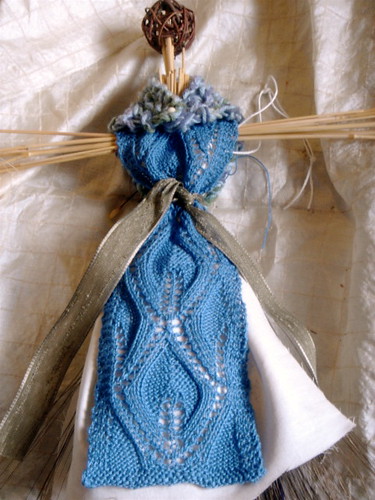
S proljećem dolazi i plodnost! Ključni simboli ovog blagdana su stoga sjemenke i pupoljci, a pogotovo je poznat simbol visibabe koja je među prvim cvjetovima vidljivima na snijegom pokrivenom tlu. Naglasak je također i na porođaju. Stoga je slama često korišten materijal u izradi prigodnih ukrasa jer je ona oduvijek služila kao podloga pri porođaju i ljudi i životinja. Od nje se izrađuju Brighidini križevi, i slamnate lutkice koje predstavljaju božicu Brighid. Lutikica ove vrste se naziva Brideog (čita se /bri:džog/) i obično se izrađuje od slame ili sličnih materijala, "oblači" u haljinicu od bijele krpe i ukrašava zelenilom, cvijećem, školjkama i drugim simbolima plodnosti i proljeća.

Aspekt pročišćavanja je najbolje vidljiv u fenomenu proljetnog čišćenja kada se ne čisti samo kuća, već se zapravo sve dovodi u red. Ljudi se u ovom periodu rješavaju svih nepotrebnih predmeta i tereta (kako materijalnih, tako i duhovnih i emocionalnih). Time se stvara prostor za nova iskustva, ljude, potrebne predmete i bilo kakve nove početke.

Mnogo više o običajima ovoga blagdana možete pročitati u ovome postu, a smatram da će njegovi aspekti najbolje ostati u vašem pamćenju kroz nekoliko inspirativnih slika. :) Uživajte u njima kao i u proslavi ovog blagdana, kako ga god odlučili obilježiti!

Blagoslovljen, sretan, inspirativan i prosvijetljen Imbolc vam želi vaša
Witch's Cat


Blessed Imbolc!

This is the ideal time for you to have a look at what's happening around you. You may notice the day is beginning to get longer, the animals are beginning to wake up after hibernation, the now is beginning to melt (for those of you who were lucky enough to have snow this year) and traces of green can be seen on the land. I believe that the picture on the left wonderfully depicts all these natural processes. 

This portrait of Mother Earth waking up from her winter slumber is the perfect metaphor for Imbolc when all life that surrounds us truly does wake up. Even people start to feel their energy returning after the long winter months.

The Wheel of the Year has just begun to turn; the (Blue) God is still young and fragile but grows stronger with each day. The Goddess, which is a Maiden at the moment, nurses him and gives him strength. She is still inexperienced but full of life's energy which she gives to the God but also to the earth and all its living creatures. 

The Celtic (and original) name for this feast is immolg and can be separated into two words: i molg meaning "in the belly". This can be referring to Mother Earth's womb but can just as easily signify the natural processes that occur during this time of the year. February is the time when the pastures are full of newborn lambs and ewe's milk overflows buckets. This is where the second name for this holiday (or rather for Candlemas) comes from - Oimelc, which can literally be translated into "ewe's milk". Milk is thus regularly used in cookery and rituals related to Imbolc.

In agriculture, this is the time when sowing preparations are begun in the hopes of all the crops yielding in the spring. Other branches don't lack life around this time; even fishermen take out their boats and go fishing once more. And all of this is made possible because of the longer days and warmer weather!

The main focus during this time of the year is on fertility, cleansing and the coming of spring. Imbolc is celebrated halfway between the winter solstice (Yule) and the spring equinox (Ostara). It is a transitional period when the lengthening of the day becomes apparent. In order to encourage the Sun to grow, a common practice is lighting fires (as it is with almost all Celtic festivals). But the emphasis is more on the light than the warmth of the fires. This is why crowns of light are also worn (crowns or reefs with candles or other sources of light) in both Paganism and Christianity alike. 


With the spring also comes fertility! Key symbols of this period are thus seeds and buds, and an especially celebrated symbol is the snowdrop which is one of the first flowers that can be seen on the snow-covered earth. The emphasis is also on giving birth. This is why straw is a commonly used material for decorations since it has been used for ages to make birthing beds for both humans and animals. Brighid's crosses are made from this material as well as straw dolls which represent the goddess Brighid herself. These dolls are called Brideogs (pronounced /bri:dʒog/) and are made of straw or similar materials, dressed in white cloth dresses and adorned with greenery, flowers, shells and other symbols of fertility and spring.

The aspect of cleaning is most visible in the phenomenon of spring cleaning when not only the house is cleaned from top to bottom, but when order is brought back into every aspect of our lives. This is the time when people get rid of any unnecessary objects and burdens (material, spiritual and emotional). This is done in order to make room for new experiences, people, necessary things and new beginnings.

You can read much more on the traditions of this festival in this post, but I believe its aspects and aura will best stick with you through a few inspirational pictures. :) Enjoy them as well as your celebration, no matter how you decide to mark it!

Have a blessed, happy, inspired and enlightened Imbolc! :D
Yours,
Witchs' Cat


10.5.13

Imbolc (February 2)

Imbolc (read /immol'g/ or simply /'imbolk/) is also known as Imbolg in Celtic. It is described as the festival of light because it announces the coming of Spring. This date might be familiar to you because it is also the day of Candlemas in Christianity. The Celtic name itself means "inside the stomach" which is a reference to pregnancy and the beginning of fertility i.e. the first movements of Spring inside Mother Earth's womb. Like all other Celtic festivals, this is a fire festival but it doesn't accent the warmth of the fire but rather its light. This will be logical to most people because (at least where I come from) February is the coldest month of the year (this may differ from country to country) although Winter is already present throughout the whole of January.

The Goddess that is celebrated on this day is Brigid (Brid), the Celtic Goddess of the triple moon, light and fertility. Her symbol is the large moon that lights the dark paths ahead of us in nature. She falls under the category of those Pagan gods who were Christianized without much attempt to really hide it. In Ireland, February 1 is known as St. Brigid's Day. The saint herself lived from 453-523 AD, but despite the fact that we're talking about a Christian saint, she is celebrated in the same places and same ways as her Pagan counterpart. The myth says that St. Brigid was brought up by a magician and had the ability to multiply food and drink and thus feed the people. But there was also a fun side to the story - she could turn water into beer :D Her symbol is the famous Brigid's cross which is made in Ireland even today. Usually, it is made out of reeds or straw and this tradition probably comes from the pre-Christian tradition connected to the preparation of seeds for sowing in the Spring. Brigid's name is pronounced /braid/ in England (like a wedding bride), but in Ireland it is usually pronounced /bri:d/ (breed).

An old Scottish tradition includes the women of a household making an oat-grass dolly (or simply tying the oat-grass together) and dressing it in girls' clothes on the eve of Imbolc. The doll is then put into a Brigid's bed (actually a simple woven basket) along with a bat (that symbolizes the phallus). After all the preparations are done, the women invoke the Goddess by chanting three times: "Brid is come! Brid is welcome!". The doll is then left until morning next to burning candles (but far enough so it doesn't catch fire) and if there is an impression of the club in the ashes of the hearth in the morning, the year is thought to be fruitful. This is a clear metaphor for sex which you can connect to Spring by yourselves :)

On the Isle of Man, there was another tradition. On the last day of January, one person from the household would collect a bunch of reeds or rushes and knock on the door of their family (each family does this separately, just to be clear). The lady of the house (usually the mother) would send someone to answer the door who would, upon seeing this person, wish a warm welcome to Brigid (the person collecting the rushes obviously represents the Goddess herself in this tradition), after which "Brigid" would answer: "God bless the people of this house.". The rushes would then be sprinkled with some kind of holy water. Now why did they need these rushes? Well to make Brigid's crosses, of course! After a satisfying amount of crosses was made, the left-over rushes were buried and the feast could begin. On November 1, the crosses from last year had to be burnt and the new ones would be hung around the house to replace them.

There are two types of Brigid's crosses. The first is actually the Celtic cross (a cross of equal arms inside a circle) and the second a simple cross of equal arms. You can have a look at this link if you want to learn how to make one yourself. :) You can also have a look at my work and instruction in the post entitled "Brighid's Cross" and have a few laughs. :)

In Ireland, there are many holy wells, and most of them are dedicated to Brigid. Even today, people sometimes ask for her help when it is needed and tie ribbons made of various materials on nearby trees/bushes to represent these wishes.

Wells can be associated with water and cleanliness which leads us to the role of February in ancient Rome  Namely, this month was intended for cleansing (Februarius mensis - the time of ritual cleaning). At the very beginning of the month, we have the celebration of Lupercalia (read /luperka:lia/). The main tradition of this festival is a bit funny to me but here it goes anyway. The Luperci, who were Pan's priests, would run practically naked through the streets on this day wearing nothing but a goatskin girdle and carrying goatskin thongs. They would (lightly) strike every passer-by and especially married women. If you were struck, this was actually a great thing because it was believed to bring fertility. This tradition made it until the Christian era and even the famous Mark Anthony played the role of the Lupercus. In time, even women got into the habit of walking around naked because this meant bigger chances of being struck and therefore, more fertility. It wasn't until the Pope Gelasius I (492-496 AD) that this tradition was banned, but even he was forced to publicly apologize because the people simply didn't accept this interdiction. This festival of Lupercalia was finally banned in the 6th century.

Another interesting tradition on Imbolc is the lighting of Yule plants (holly, mistletoe, ivy, rosemary, laurel etc.) because if any of these plants were left in the house, it was thought that evil spirits would haunt it. The message that this tradition sends is that one cycle is over and that another one is beginning and that we have to be able to let some things go. You're probably familiar with Spring cleaning. Though there is no official date for this cleaning, most people do it and aren't all that happy about it when the time comes. But this cleaning is again symbolic since you often get rid of a lot of things as well as vacuum and do other chores around the house.

Also, in England, France, Germany and Spain, some people believe that if Imbolc is cursed with bad weather, then the Winter is actually over, but if it is sunny on this day, then the harshest is yet to come. Perhaps the message of this is that we can't hurry the transition of the seasons? :)

Motifs of fertility and impregnation (metaphorical, of course) are incorporated into rituals in Wicca. This is usually done by the High Priestess calling the God into the High Priest instead of the other way around (which is the usual way as seen in the Drawing down the Moon ritual). Dancing is also often found in rituals because of its ability to raise energy. The sixteenth-century dance called La Volta is usually connected to Imbolc. I managed to find what it actually looks like on youtube for you :) Though it is thought that it comes from an earlier "witches' dance" in which a man and woman would dance holding each other's hands while standing back to back. 

Even in Christianity, the crown of light is a popular symbol for Candlemas and it is usually worn by little girls who symbolize the just-beginning, young year. In Wicca, you will usually see a grown woman wearing this crown and she will embody the Mother Earth who becomes all the more fertile in this time of year.

In addition to Brighid's cross and the crown of light for decorations, you can also have a stick somewhere on your altar/inside the circle if you like. This stick will be a phallic symbol during your ritual and if you have a bit of spare time in your hands and a bit of good will, then you can make a priapic wand/stick yourself by tying/gluing a pine cone on the top of this stick. Also, it is traditional for the person enacting the role of the Maiden (the High Priestesses' "assistant") to carry a bouquet of Spring flowers with her and the person playing the role of the Crone to have a dark veil/shawl or something like this on her. You will often see a cauldron with a candle in it for the aforementioned burning of old plants (that is, if you can't light a fire anywhere).

I you feel like reading a bit more, then have a look at this post. :)

Sabbat: Imbolc
Pronunciation:
/'imbolk/, /immol'g/
Date: February 2
Other names: Imbolg, Candlemas, Brigantia, St.
Brigid's Day
Phase of the God: Grows up (from the Blue to the Green
God), in some traditions he
impregnates the Goddess
(the Oak King)
Phase of the
Goddess:
The Maiden (rests from rebirth)
Symbolism: Celebrating light, urging the Sun to
show again
Traditions:
Lighting candles in a circle, putting a
bowl of snow on the altar, making
Brighid's crosses and oat dollies, the
Brigid's bed story, burning old plants,
making the crown of light (a great way
is to use birthday candles)
Symbols and
colors:
White, red, pink, green, blue, the
wheel (most often on the altar), the
consectration of seeds, greenery as
decorations, candles
Traditional food: Celtic Cakes
Imbolc Crescent Moons
I would recommend you have a look at
these two great websites:
Imbolc Recipes
Imbolc by Akasha
Appropriate ingredients include
seeds, dairy products (and milk),
as well as refreshing ingredients
such as lemon and vanilla.
Traditional
incens:
Basil

I think that's about it for this post :) expect a nice recipe from me one of these days and as soon as I get the necessary materials, I'll put up a tutorial of my own on how to make a Brighid's cross. 
May you be merry and have a wonderful Imbolc! :D
Until next time. Yours,
Witch's Cat